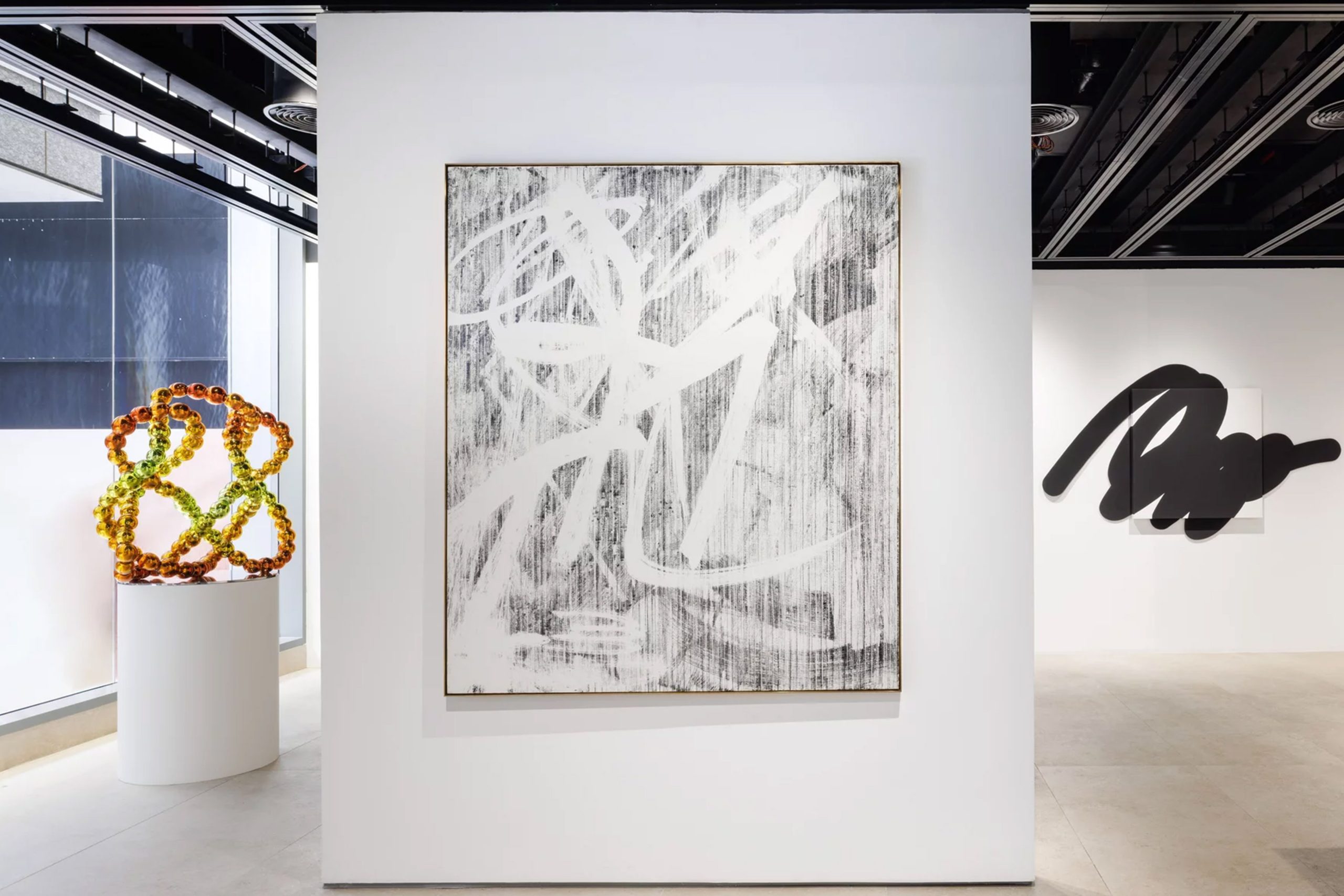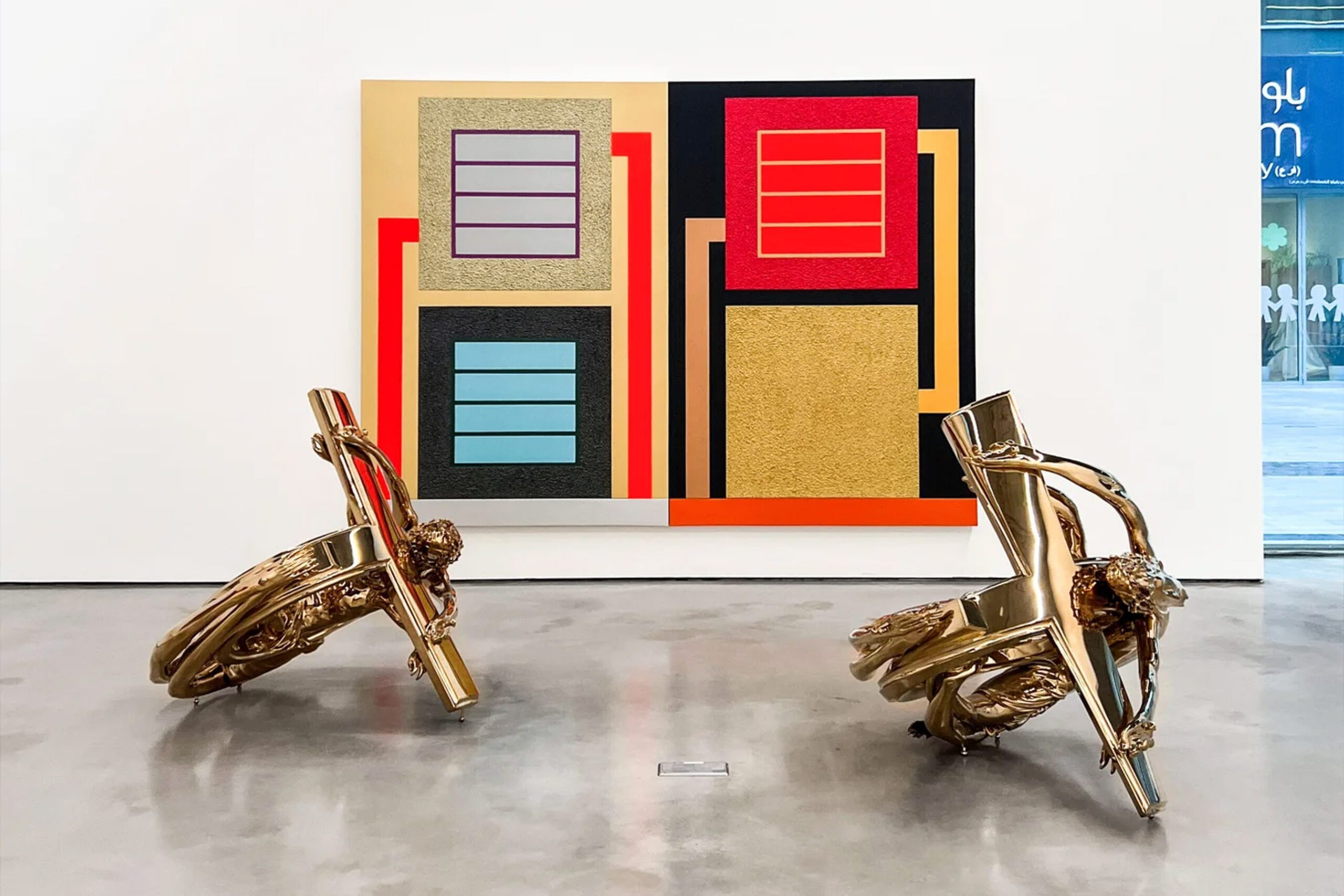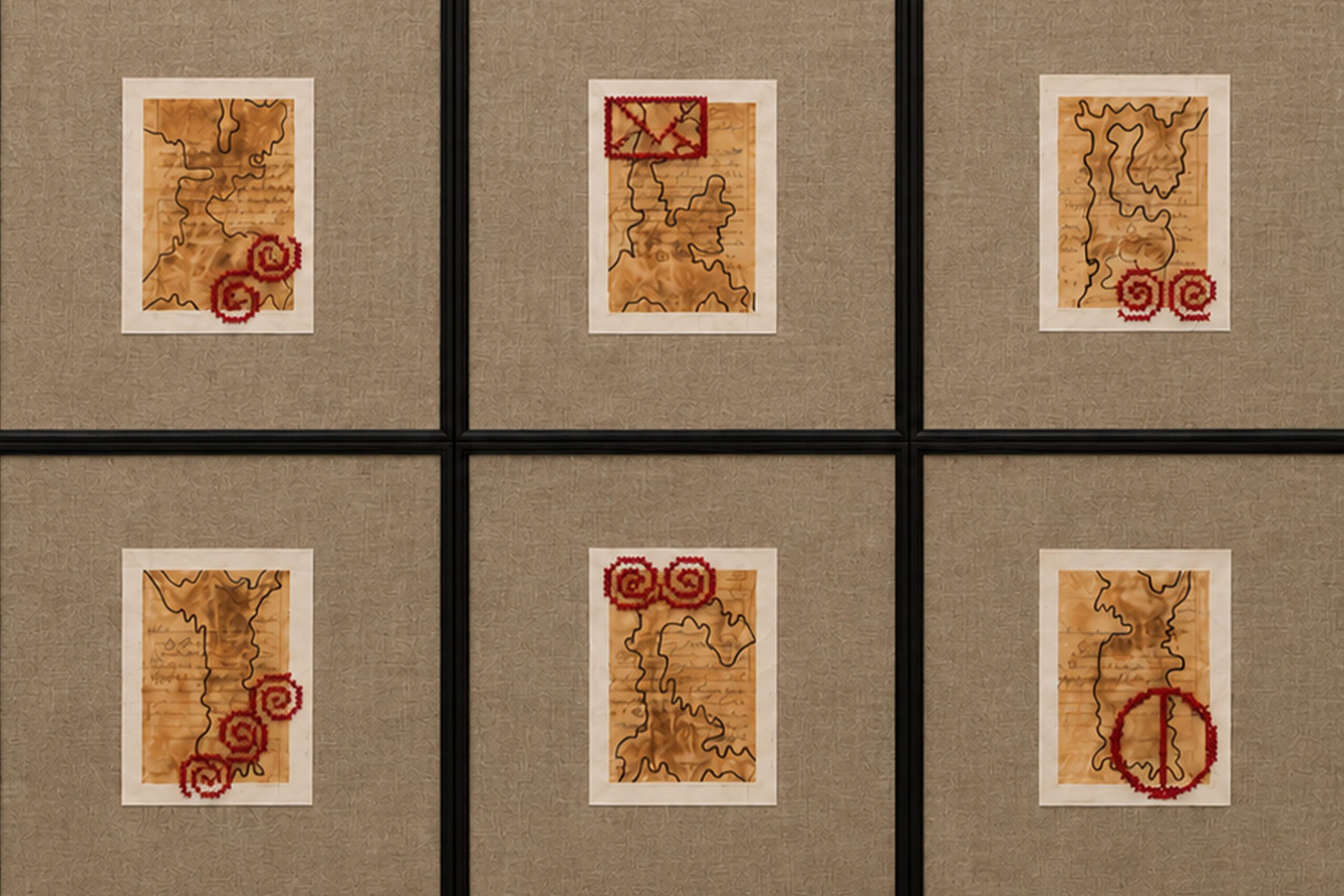
Unseen Script, an exhibition on display at Rizq Art Initiative (RAi), brings often unnoticed structures of daily life — the road taken to work, gestures repeated almost automatically, or objects left in familiar places — into focus and asks how habits, memories, and observation shape the way people experience the world. The show features 10 artists, connecting very different visual languages through an interest in repetition and the subjects that artists themselves repeatedly return to. Curated by Meena Vari, Unseen Script will be open to the public until 28 October 2026.
The exhibition’s premise takes on another dimension in the age of artificial intelligence. As algorithms become adept at recognising behavioural patterns and predicting what people might do next, Vari’s curatorial approach asks what happens when attention is directed back towards the individual. Rather than treating repetition simply as data, the show considers the memories, associations, and subjective experiences attached to it. For Vari, identifying recurring elements in an artist’s practice becomes another form of observation: a way to make visible something that may be obvious to the artist but less apparent to the audience.
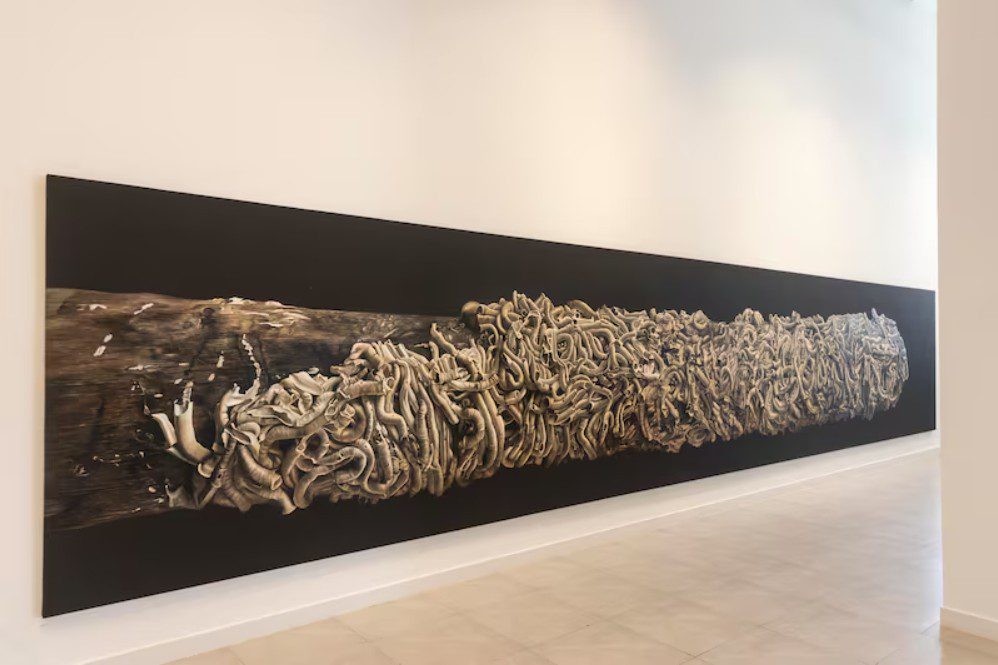
One of the most imposing exhibits is How Do Homes Remain? (2026), an enormous oil painting by Indian artist Abdulla PA that explores the idea of home through both natural and human-made structures. Abdulla’s interest in abandoned houses, especially those gradually reclaimed by nature after migration or economic change, connects architecture with organic processes. His engagement with biomimicry blurs the distinction between structures created by people and forms produced by other living organisms.
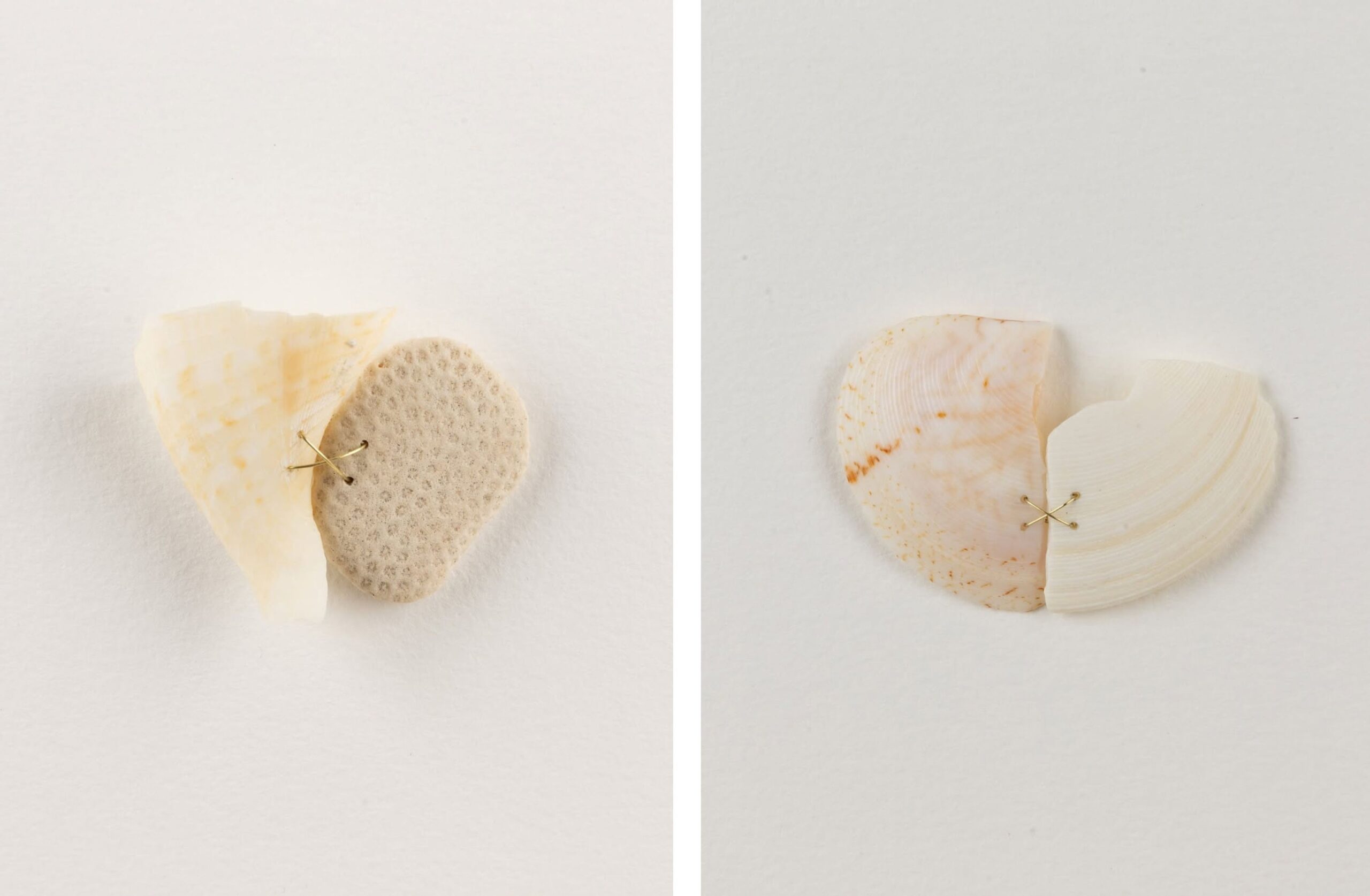
Meanwhile, Colombian artist Ana Escobar Saavedra contributes intimate assemblages she creates using seashells collected from beaches. She reconstructs their fragments in the studio, incorporating gold into the compositions. The damaged shells become evidence of transformation and decay rather than just discarded natural material. In the context of Unseen Script, this attention to fragments also echoes the exhibition’s broader interest in the small details through which larger stories are constructed.
Landscape and movement provide another recurring motif. Syrian artist Ismail Al Rifai focuses on familiar roads and routes. He transforms journeys that might otherwise become invisible through repetition into subjects for contemplation. The road is both a physical path and a record of routine: something followed so often that its visual details can disappear from conscious attention. By bringing such routes back into view, Al Rifai’s work fits closely with the exhibition’s interest in the unnoticed rhythms of everyday existence.
The show also brings together several important voices from the UAE’s contemporary art scene: Dr Najat Makki, the first Emirati woman to receive a government scholarship to study art abroad and obtain a PhD; Nasir Nasrallah; and Nujoom Alghanem. Dr Najat Makki’s practice has evolved through realism, abstraction, and abstract expressionism, with colour, landscape, and elements of Emirati culture remaining important throughout her career. In Unseen Script, Makki’s work extends the exhibition’s exploration of repetition into a more abstract visual language.
Artist and curator Nasir Nasrallah approaches repetition through objects and accumulated memories. He is known for experimenting with materials and incorporating found or collected objects (toys and small consumer items) into personal responses to his surroundings. For Unseen Script, he drew on time spent among the objects in the antique shop once owned by his grandfather in Sharjah, imagining stories around things whose original histories may no longer be known.
Nujoom Alghanem is a multidisciplinary artist, poet, and filmmaker who represented the UAE at the Venice Biennale in 2019. Her paintings in Unseen Script consider the relationship between the city and nature. They treat the contemporary cityscape itself as a horizon: the environment through which present-day life is experienced.
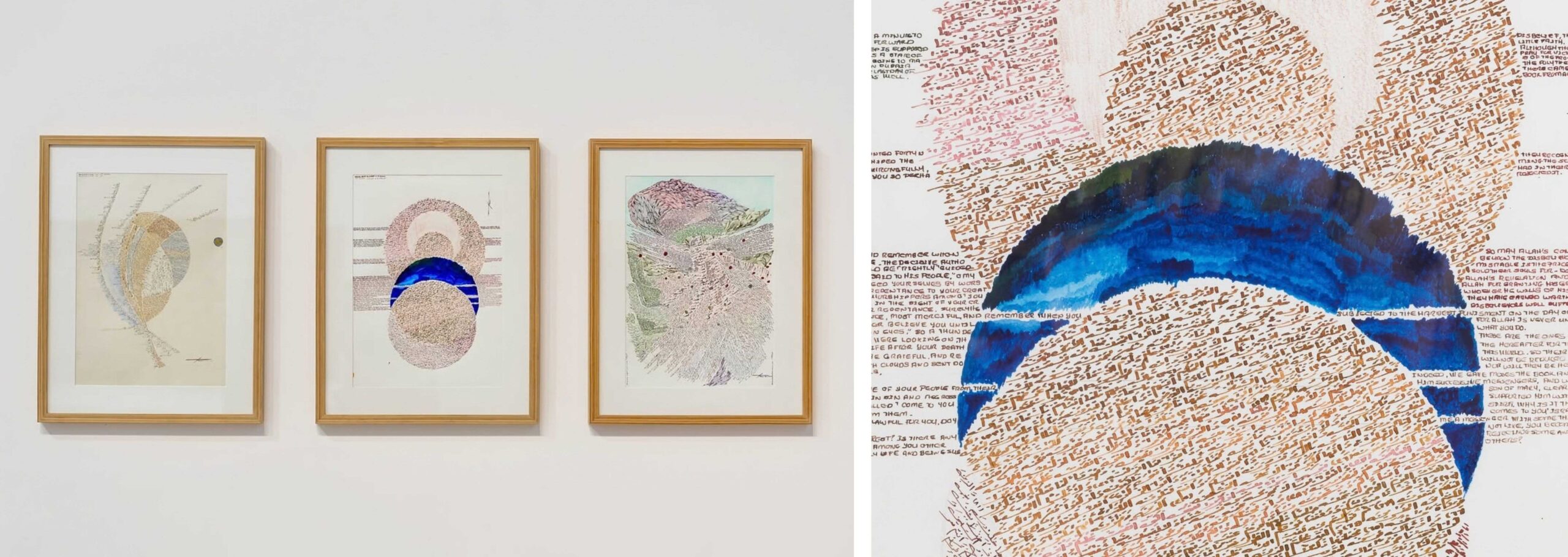
The exhibition also features Lebanese artist Fadi Balhawan, whose practice encompasses words, calligraphy, and abstraction. His art pieces use language as a visual and poetic element, effectively turning writing itself into a form of drawing. This gives another meaning to the exhibition’s title: the “script” can be literal, but it can also refer to the systems of marks, gestures, and repetitions through which people record experience.
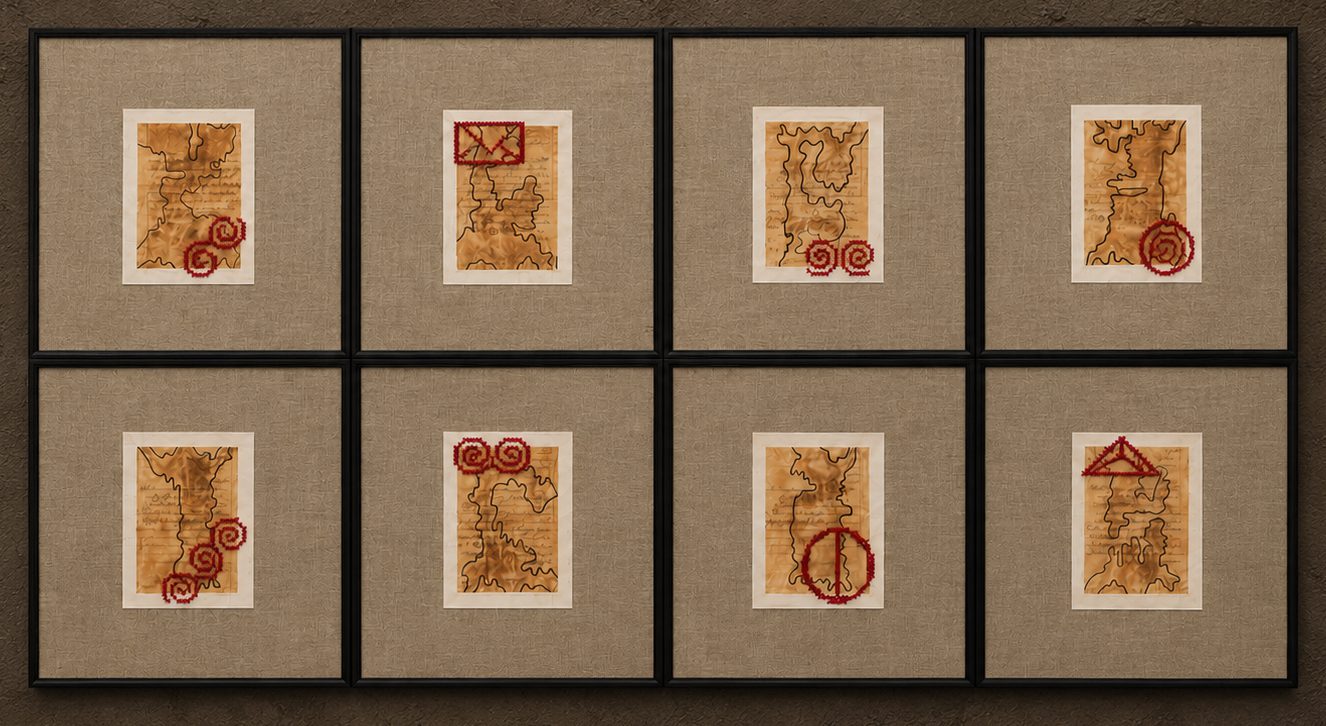
Palestinian artist Joanna Barakat similarly combines visual language with cultural memory. She works across painting, Palestinian embroidery, textiles, animation, and digital art. Her practice is closely connected to Palestinian cultural heritage, including preservation and continuation of tatreez embroidery. In Unseen Script, this relationship between inherited patterns and contemporary artistic expression adds a particularly tangible dimension to the exhibition’s ideas about memory and repetition.
Nature becomes another author of patterns in the exhibition. Abu Dhabi-based artist Simrin Mehra-Agarwal‘s contribution focuses on decaying palm leaves and continues her wider exploration of organic growth, deterioration and transformation. Palestinian-Polish interior designer and artist Neveen Abu Samra transforms everyday materials, such as used tea bags, that might otherwise be discarded. The two artists’ approaches suggest that repetition and transformation are not exclusively human processes: decomposition, growth, erosion, and reuse all generate their own sequences and visual traces. As Vari puts it, nature has its own “script” too.
The artworks in Unseen Script do not attempt to decode everyday life into one definitive system. Instead, they encourage viewers to notice what repetition usually makes invisible: the objects we keep, the journeys we make, the materials that change around us, and the visual or cultural patterns we inherit and reproduce. The exhibition’s dialogue with AI makes this observation particularly timely, but its subject ultimately remains human attention: the capacity to recognise meaning in something precisely because we have lived with it long enough to stop noticing it.
To learn more about Unseen Script, please visit RAi’s official website.
You might also be interested in visiting Precarious Beings by Hamad Almuzaini and Nothing Worth Mentioning group show.