Al Shindagha Museum, nestled on the banks of Dubai Creek in the Shindagha district, is the largest open‑air heritage museum in the UAE. It was inaugurated by HH Sheikh Mohammed bin Rashid Al Maktoum in 2023 as part of the Dubai Historical District initiative. The museum invites visitors on a captivating journey through Dubai’s transformation from a 19th‑century fishing and pearling settlement to the global metropolis of today.
Spread across over 80 restored historical houses, the museum marries traditional Emirati architecture (wind towers, open courtyards, and sandy-hued stone) with modern, eco-friendly innovations like solar energy, natural ventilation, and rainwater harvesting. The restoration was overseen by the Dubai Municipality Heritage team, using authentic materials and techniques that honour the city’s past.
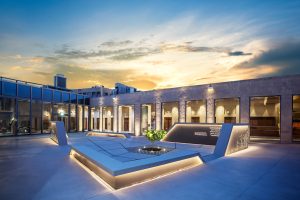
The museum is organised into more than 22 themed pavilions clustered by topic, each designed to bring history to life through artefacts, multimedia, and interactive storytelling.
The Governance & Society cluster includes the Al Maktoum Residence, a beautifully preserved 19th-century home that once belonged to Sheikh Rashid bin Saeed Al Maktoum. Personal items (passports, correspondence, family photographs etc.) give a rare glimpse into the lives of Dubai’s ruling family. Nearby, the Dubai Creek – Birth of a City pavilion uses immersive digital displays to narrate the city’s rise as a global trade hub. The People & Faith and Emerging City sections delve into Islamic traditions, social life, and Dubai’s rapid urban evolution.
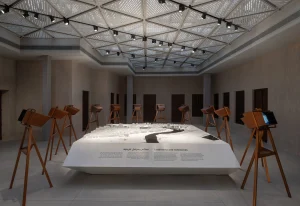
The Creativity & Well‑Being cluster encompasses houses dedicated to traditional crafts, beauty and adornment, jewellery, and healthcare. A highlight is the Perfume House, which traces the art of perfumery from the Bronze Age to the present. Through interactive scent stations, visitors can sample iconic fragrances, such as oud, rose, and saffron, and even create their own custom perfume.
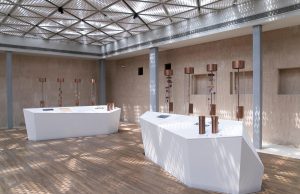
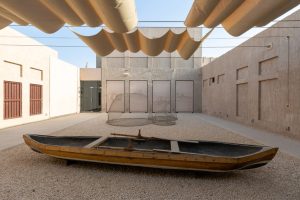
The Living off the Sea & Land area celebrates the close relationship between Dubai’s people and their environment. The Culture of the Sea pavilion showcases the traditions of pearl diving, dhow building, and maritime trade using VR-enhanced experiences. The Life on Land pavilion features a 4D “falcon’s eye” theatre, offering a bird’s-eye view of the UAE’s natural landscapes. At the Traditional Food House, visitors can learn about Emirati cuisine (like machboos and harees) and its role in preserving cultural identity.
The museum also features the House of Poetry which honours the oral and written traditions of the Arab world, with immersive exhibits that bring Emirati and global poetry to life. Young visitors are welcome to visit the Children’s Pavilion, where they can have fun in interactive playrooms, participate in workshops, and enjoy traditional games designed to foster creativity and cultural awareness.
To learn more about the Al Shindagha Museum, please go to its official website.
You may also be interested in exploring the Saruq Al Hadid Archaeology Museum and Coffee Museum.
To stay updated with the latest art news, you can join our Telegram channel.