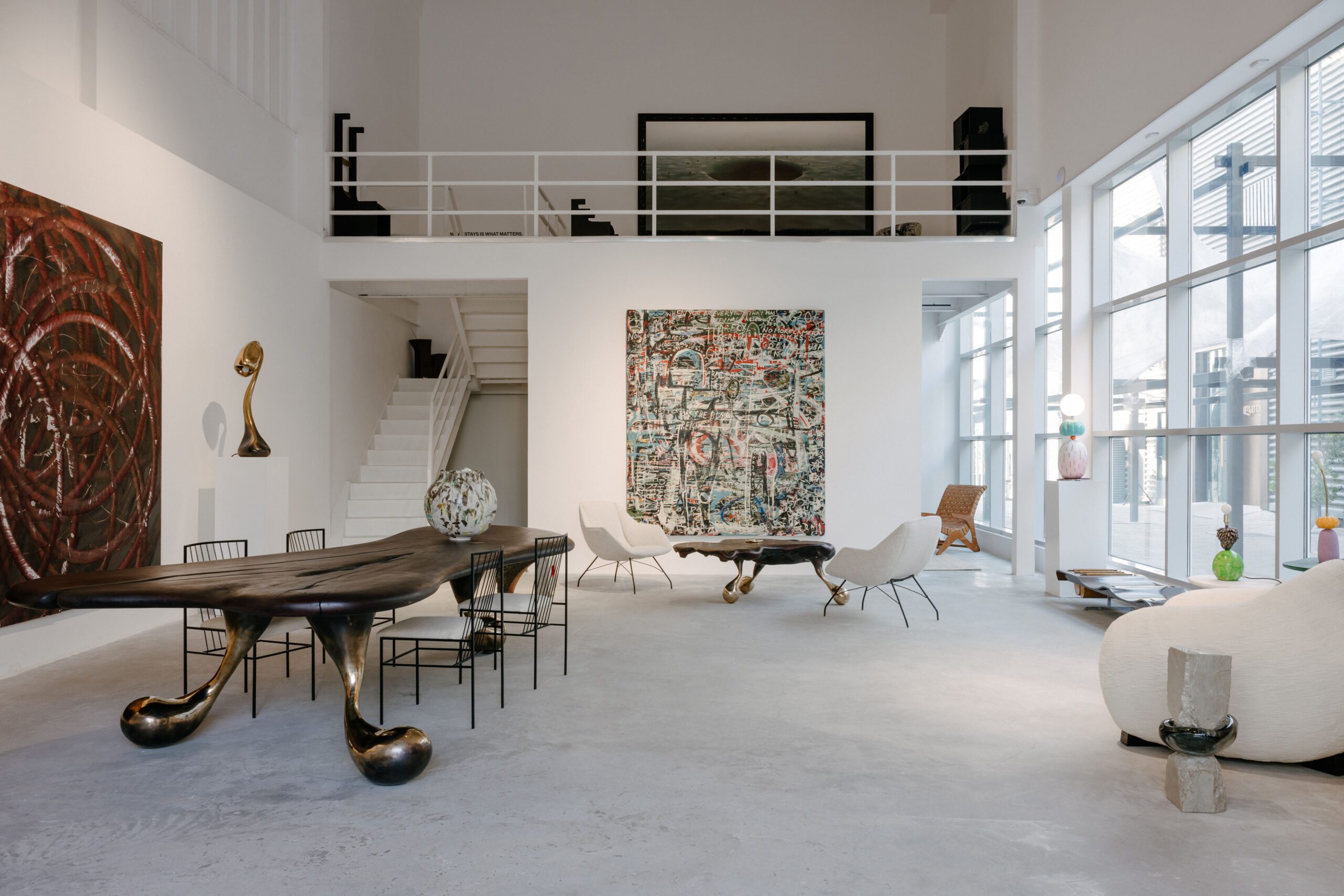
At First Sight is a group exhibition that reflects on the enduring power of objects and the emotional, intellectual, and spatial relationships people form with them. On display at The A/P Room until 10 May 2026, the show marks an important moment for the recently launched gallery, which has quickly positioned itself as a significant new platform for collectable design in the Middle East. Located in Alserkal Avenue, The A/P Room was conceived as a space where design, art, architecture, and craftsmanship intersect, encouraging audiences to engage with objects beyond surface aesthetics.
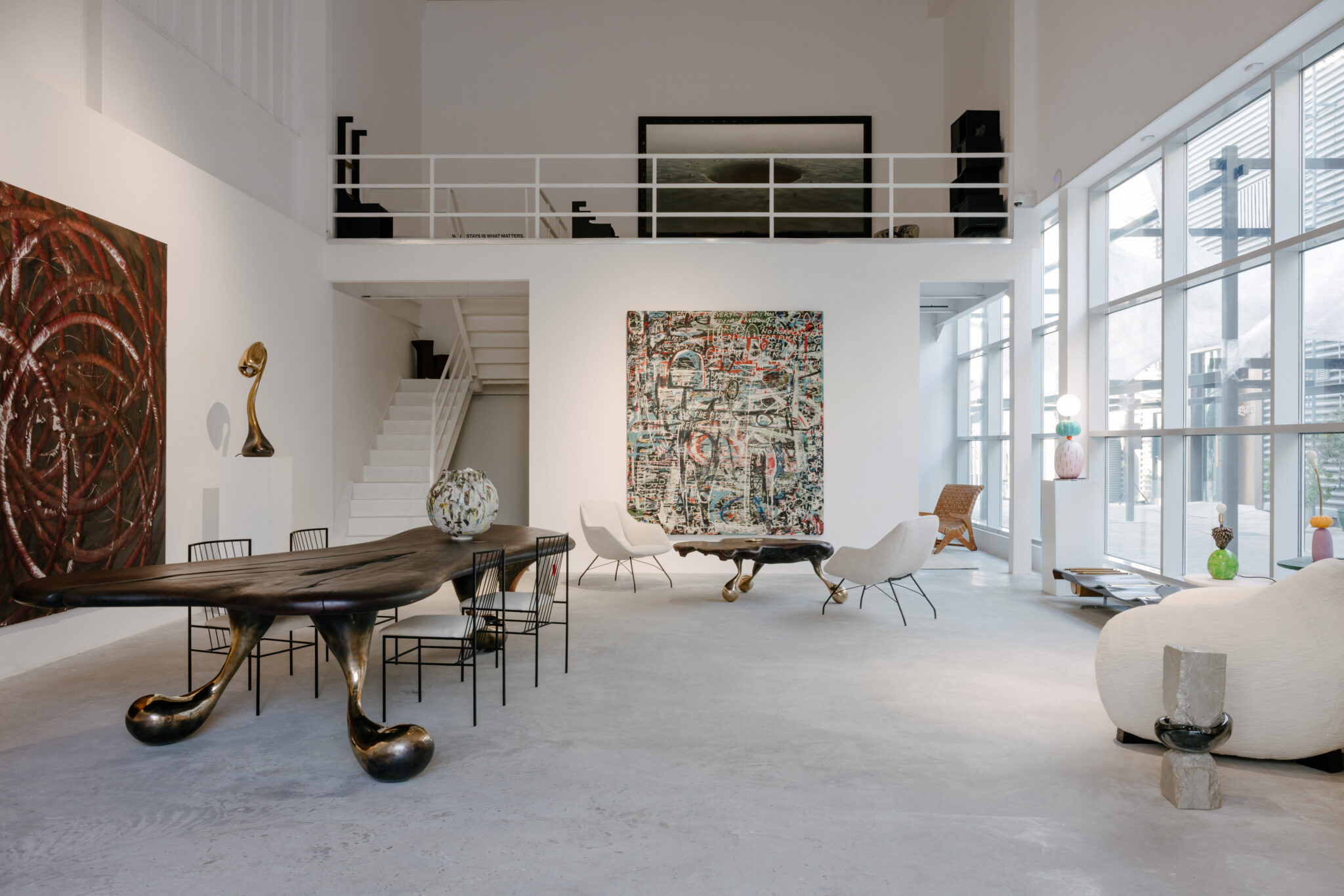
Rather than presenting design as trend-driven luxury or decorative consumption, At First Sight proposes a slower and more thoughtful approach. The exhibition considers how certain objects immediately capture attention, yet continue to reveal new meanings over time. It asks what creates that first instinctive attraction between a person and an object: is it proportion, material, memory, tactility, or presence? In an age dominated by fast-moving imagery and constant digital stimulation, the show argues for attention, patience, and direct physical experience.
This philosophy is the base of the mission of The A/P Room itself. Founded under the broader design platform Atelio and led by design specialist Christelle Bassila, the gallery seeks to create dialogue between historic masters, contemporary innovators, and regional voices. Instead of separating design by chronology or geography, the gallery brings together works from different eras and cultures to show how ideas travel through form, craftsmanship, and material experimentation.
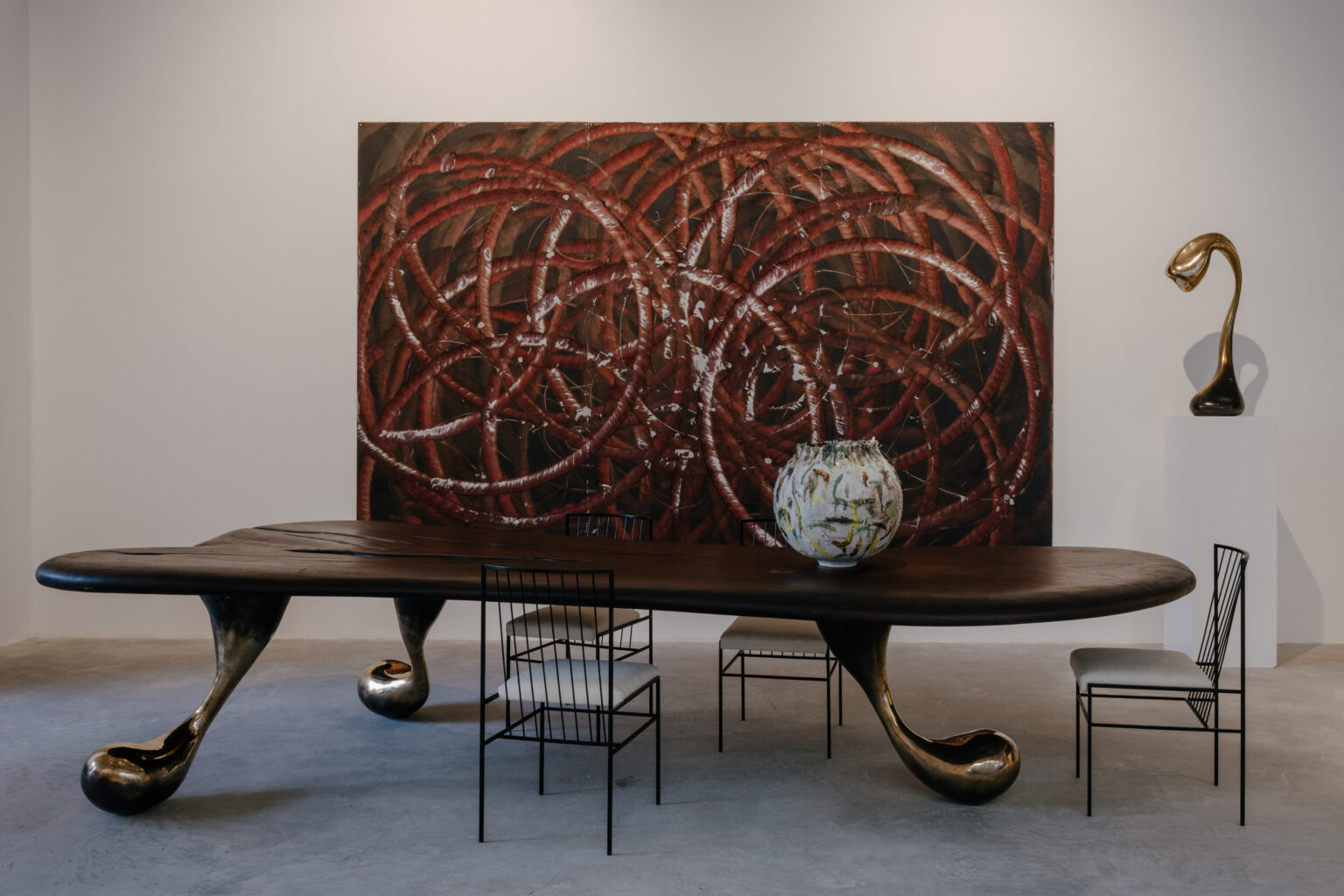
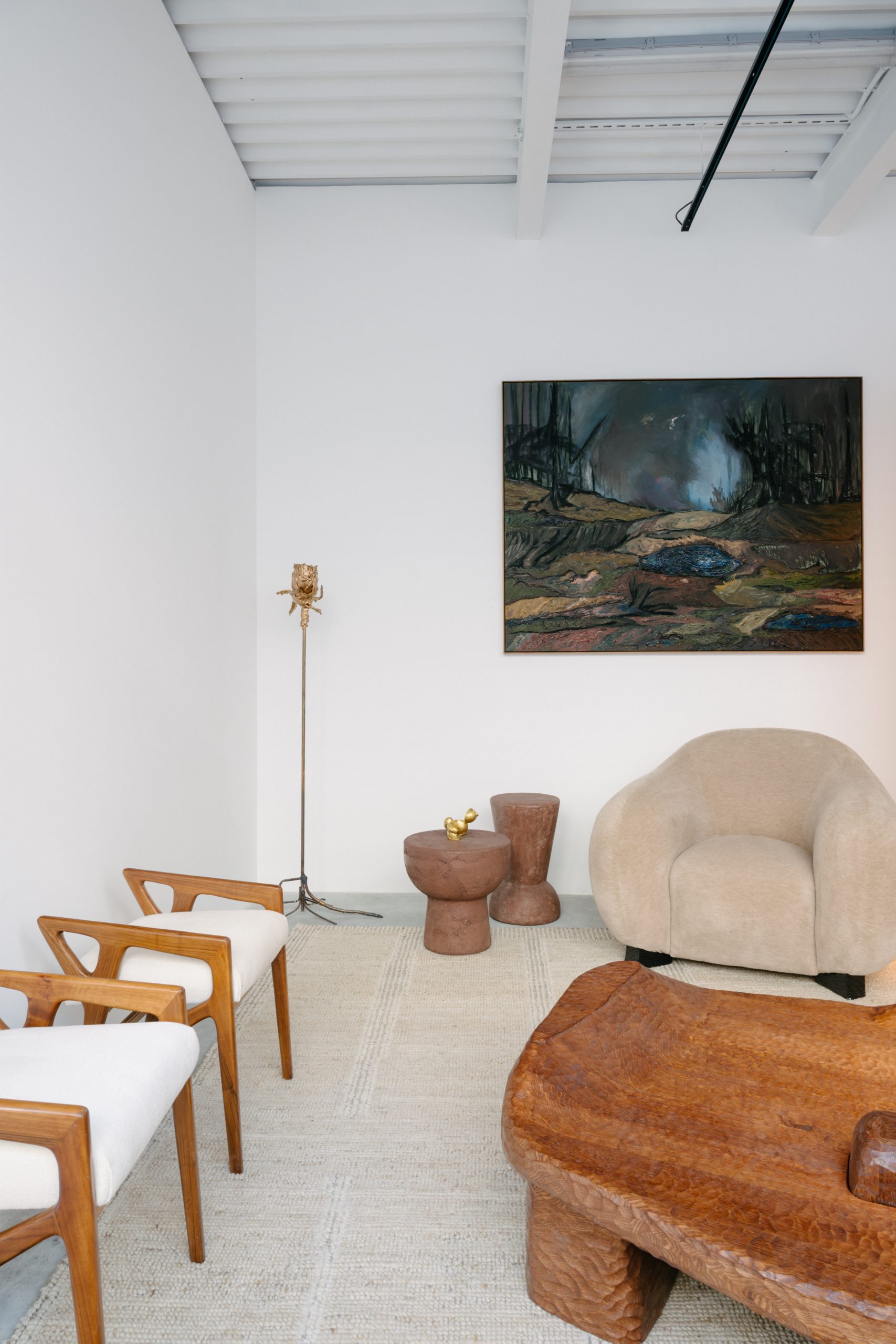
The exhibition features a carefully selected group of collectable furniture and sculptural objects by internationally recognised designers alongside important twentieth-century figures, such as Italian architect and industrial designer Gio Ponti (1891-1979), Brazilian artist and furniture designer Joaquim Tenreiro (1906-1992), and Polish-Brazilian architect and designer Jorge Zalszupin (1922-2020).
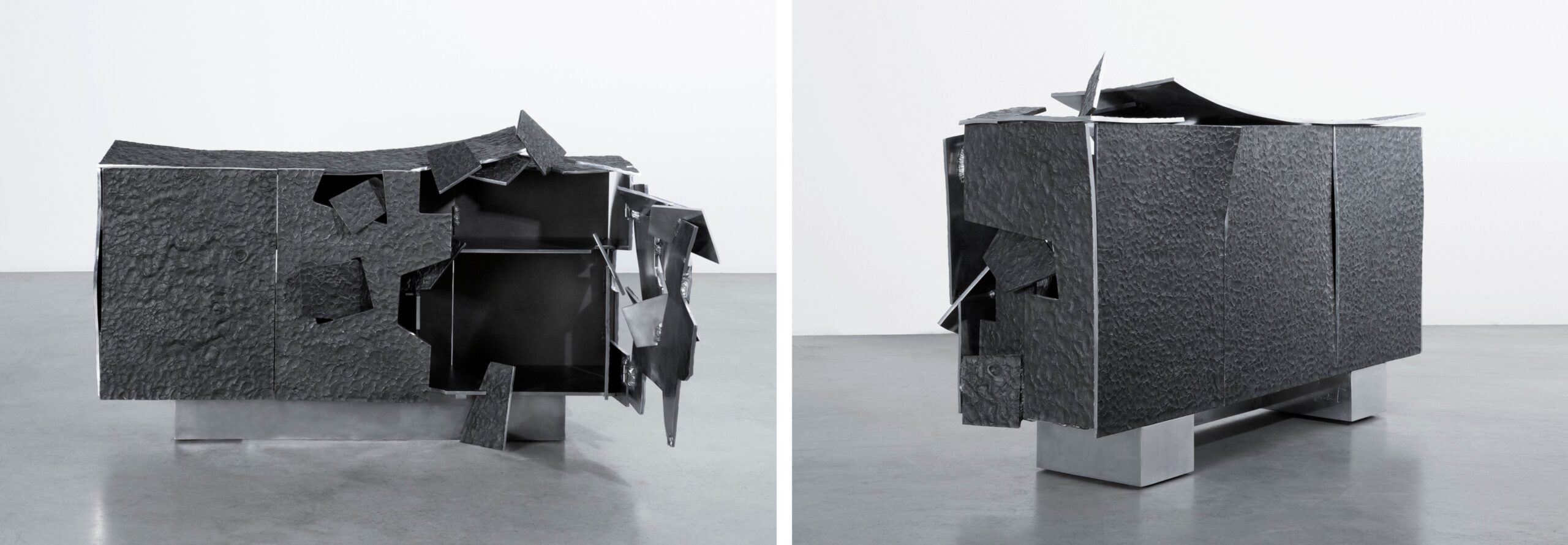
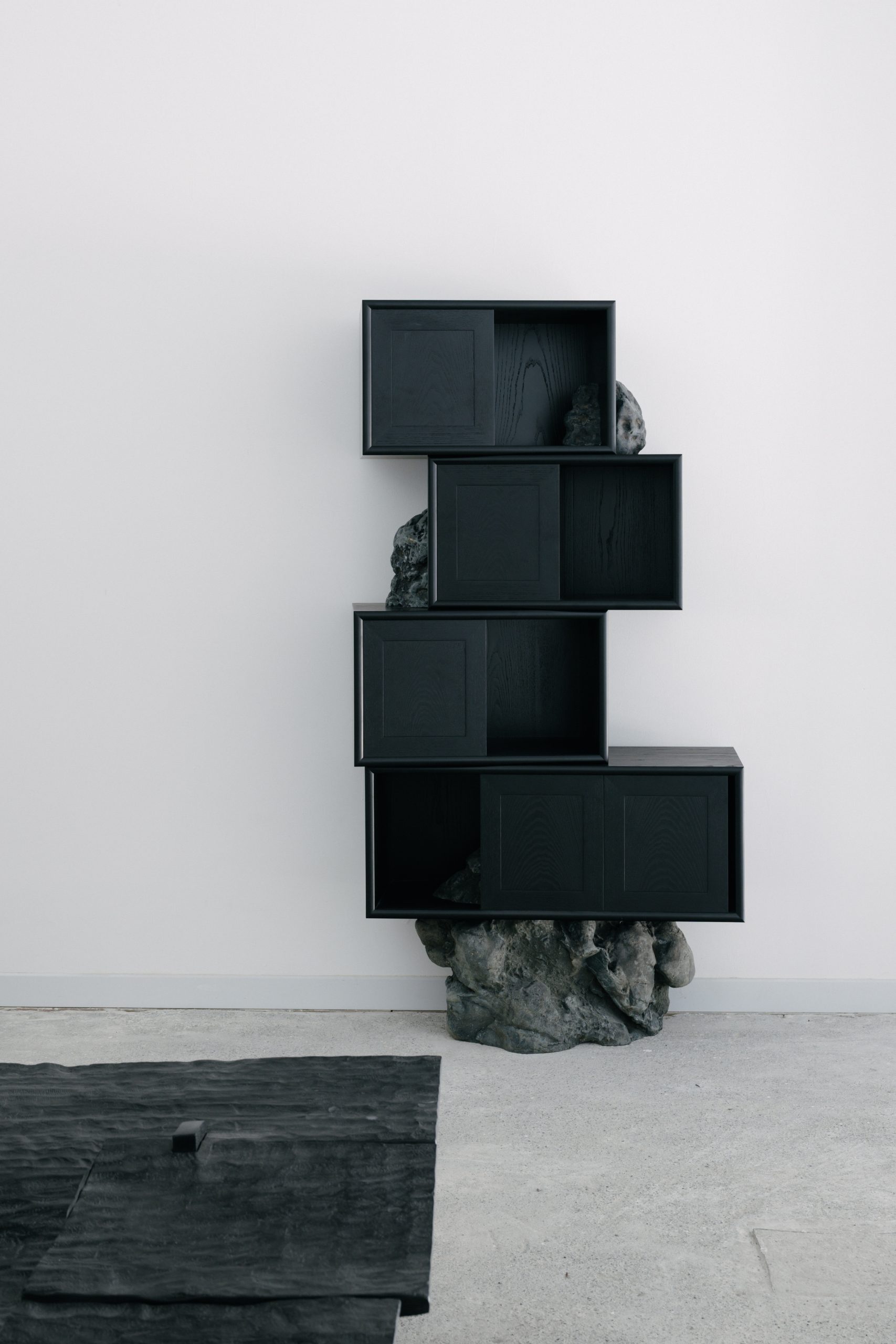
Among the contemporary names featured are American designer and sculptor Rogan Gregory, who presents his sculptural furniture in American walnut and bronze, and French artist Vincent Dubourg. Gregory’s objects evoke geological formations and natural growth with their organic presence, while Dubourg’s fragmented metal cabinet, Insideer Sideboard, introduces a sharper, more dynamic energy, challenging the idea of furniture as static or purely functional. These works contrast with the elegance and restraint of mid-century Brazilian pieces created by Tenreiro and Zalszupin. They demonstrate how design languages evolve while still sharing timeless concerns with balance, comfort, and beauty.
Also on view are a carved oak table by British designer Faye Toogood, which emphasises handcraft and texture, and Italian architect and designer Andrea Branzi’s combinations of metal, bamboo, and delicate paper that introduce fragility and experimentation. South Korean designer Choi Byung Hoon contributes his afterimage of beginning 024-621 (2024), a cabinet positioned on the mezzanine, which reads almost like a landscape or architectural monument, blurring the boundary between furniture and sculpture. These juxtapositions encourage viewers to move through the space slowly and notice how various surfaces absorb light, how volumes relate to the body, and how materials communicate emotion.
One of the most compelling aspects of At First Sight is its challenge to conventional collecting culture: the exhibition frames collecting as a process of learning how to see. Objects are valued not simply because they are signed or expensive, but because they continue to resonate through daily life. This approach aligns collectable design with connoisseurship and lived experience rather than market spectacle.
The setting of Alserkal Avenue, Dubai’s leading arts district, further strengthens the significance of the show. By opening a permanent gallery dedicated to collectable design here, The A/P Room suggests that design deserves equal cultural attention alongside fine art. It also signals Dubai’s growing role in international conversations around design collecting, material culture, and cross-cultural exchange.
At First Sight invites visitors to consider why some objects stay in memory while others disappear, and how design can shape atmosphere, ritual, and emotional connection. Through its elegant blend of historic and contemporary works, the exhibition offers a nuanced portrait of collectable design as something both functional and poetic.
To get more information about At First Sight, please visit The A/P Room’s official Instagram account.
In addition, you might be interested in visiting Flor Salina by Cveto Marsič and reading our article about three sustainable female designers from the Middle East.
To stay connected with the latest art news, you should follow our Telegram channel.


