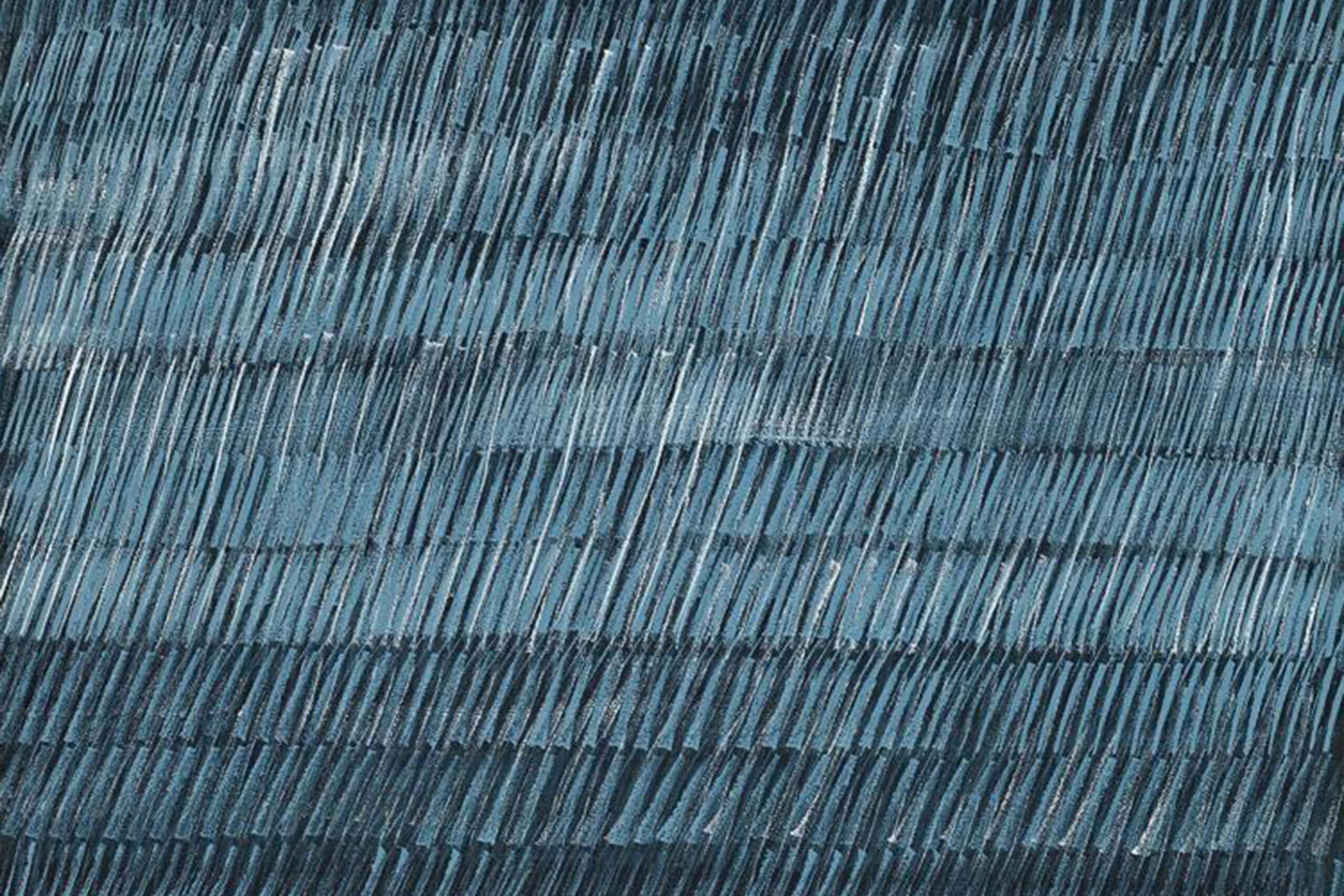
Fellow Travellers, an exhibition taking place at Tabari Artspace, presents works by five esteemed female artists: Irene Scheinmann (née Ruben Karady), Sonia Balassanian, Simone Fattal, Lalitha Lajmi, and Luísa Correia Pereira. On view until 5 June 2026, it offers a thoughtful exploration of artistic lives shaped by movement, layered identities, and parallel histories of modernism.
The exhibition is conceived and curated by acclaimed cultural historian Dr Omar Kholeif, who has built much of his recent research around what he calls the diasporic imagination: the idea that displacement, rather than simply being a condition of loss, can become a generative artistic method. Featuring art pieces that have rarely or never been displayed, Fellow Travellers is the first exhibition in a series Kholeif is developing with Tabari that explores this proposition through painting and works on paper.
The show’s title suggests companionship, shared journeys, and encounters across distance. It presents artists whose paths may never have literally crossed, yet whose experiences resonate through common themes of migration, reinvention, memory, and independence. Though they come from different parts of the world, the participants are connected by a sense of mobility and by practices shaped through exchange between places.
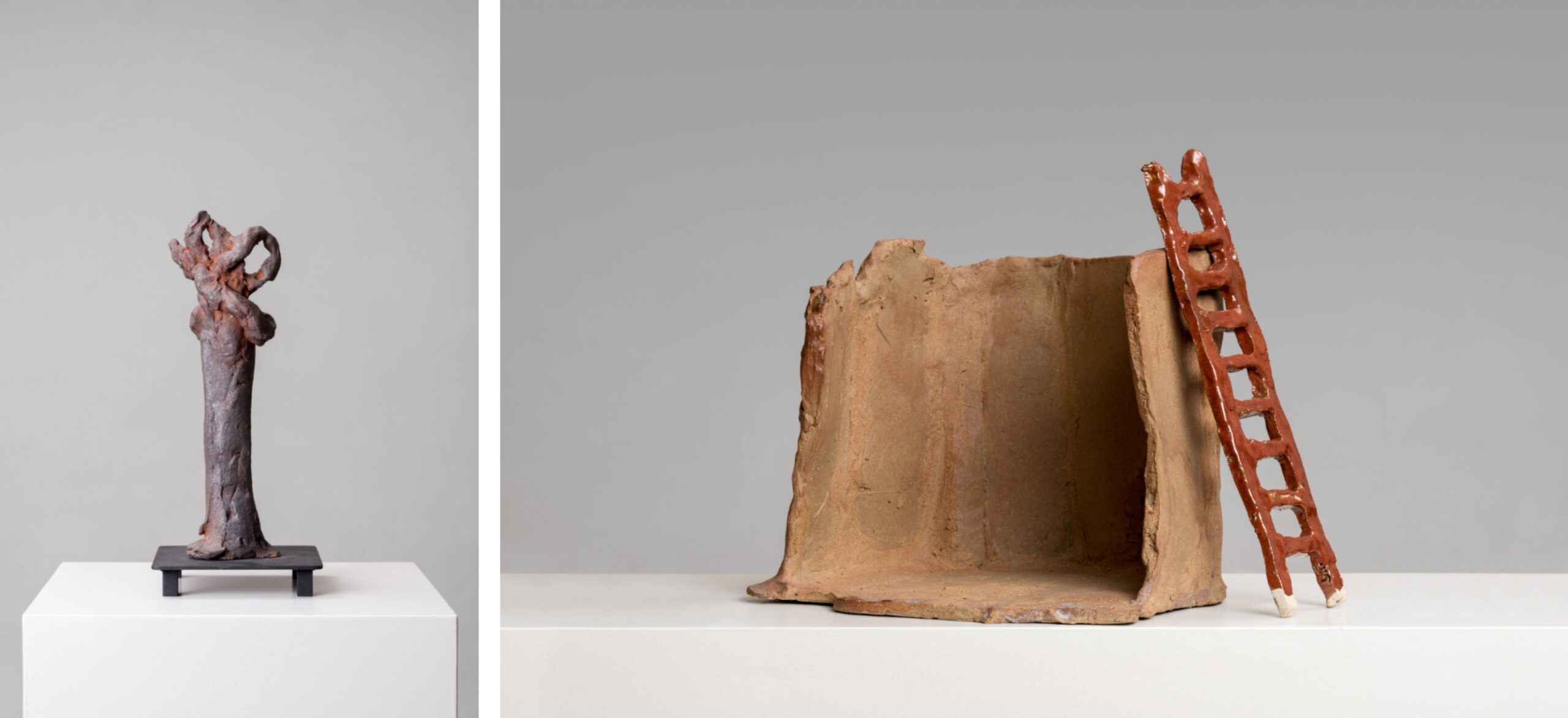
Among the best-known creatives featured is Simone Fattal, who became the philosophical anchor of the exhibition: her notion that history is a continuous movement inspired Kholeif to envision this constellation of artists. Born in Damascus and raised in Lebanon, Fattal later relocated to Paris and California, experiences that profoundly shaped her worldview. Her sculptural works often draw on archaeology, ancient civilisations, and mythological memory, while maintaining an intimate, human scale. She employs clay, bronze, and mixed materials to create figures and forms that seem both timeless and contemporary.
Armenian-Iranian-American artist Sonia Balassanian brings another deeply transnational perspective. Born in Iran to Armenian parents and later active in New York, Balassanian has worked across painting, installation, and performance. A pioneer of the Lyrical Abstraction painting movement, her textured, large-scale canvases resemble calligraphy that cannot be read. This invented lexicon serves as a metaphor for the diasporic experience, where one’s “mother tongue” is soldered and reconstituted. Balassanian’s practice often addresses identity, conflict, gender, and belonging, shaped by the histories of diaspora and political upheaval. She is also known as a cultural organiser and advocate who has helped create platforms for artists from underrepresented communities.
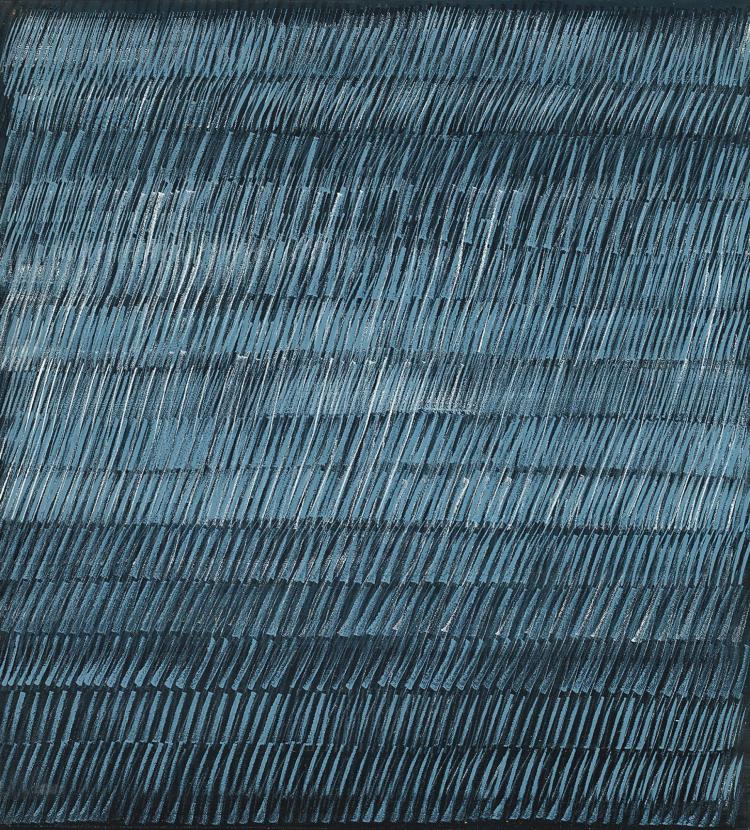
Indian painter Lalitha Lajmi (1932–2023) adds a powerful South Asian voice to the presentation. Long admired for her psychologically charged figurative works, Lajmi developed a painterly language centred on women’s emotional and interior worlds. Her canvases frequently depict solitary female figures, theatrical spaces, and ambiguous narratives that suggest introspection, vulnerability, and resilience. While many modernist histories privileged abstraction or male-centred narratives, Lajmi focused instead on intimate states of being.
Less widely known internationally, Irene Scheinmann (née Ruben Karady) (1933–2023), an Iraqi-British painter and printmaker, produced spare and slightly unsettling works: compressed geological formations, curving horizons, images that seem to hover between the physical world and something interior. She represents another important rediscovery within the exhibition. Artists whose lives bridged the Middle East and Europe often remain underrepresented in mainstream art history despite rich and complex careers. Scheinmann’s presence suggests the show’s curatorial commitment to recovering overlooked trajectories and reconnecting them to wider conversations about migration, identity, and twentieth-century art.
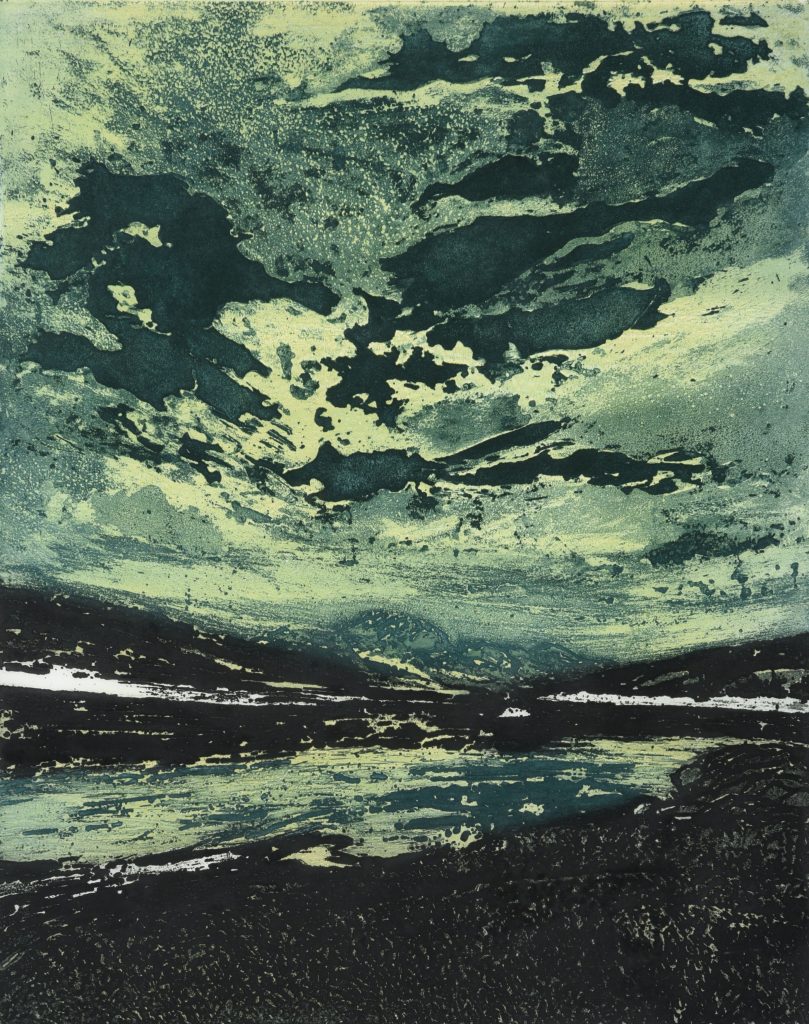
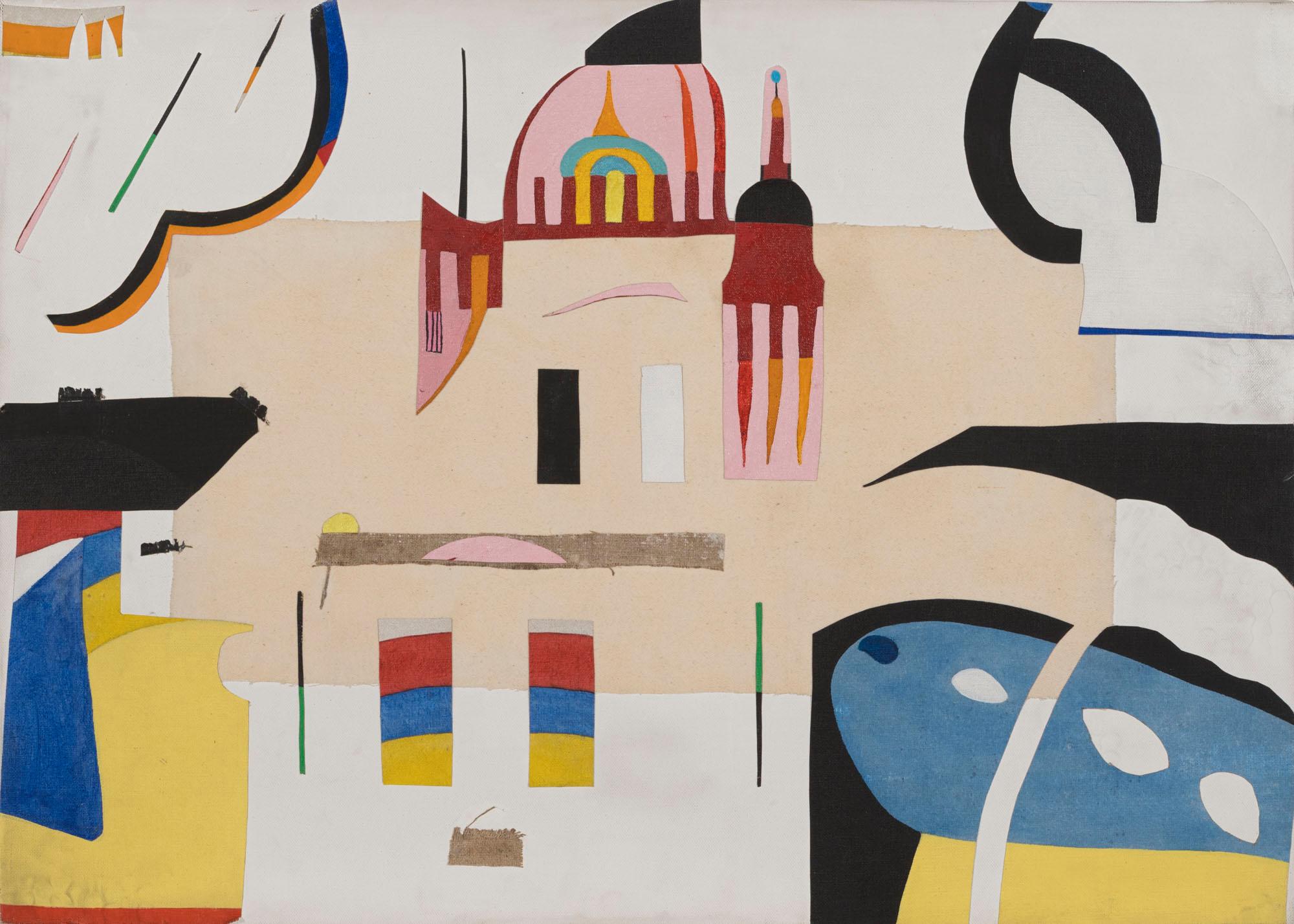
Portuguese artist Luísa Correia Pereira (1945–2009) introduces a European perspective linked to the wider themes of movement and female artistic agency. Her rarely seen paintings on paper from her Paris years in the 1970s arrive here as a genuine discovery. Abstract, cosmological, shot through with colour and sweeping movement, they draw on Heideggerian philosophy and an interest in indigenous and ecological consciousness. By placing Pereira alongside artists from West Asia and South Asia, the exhibition challenges rigid distinctions between centre and periphery, suggesting instead that modernism developed through many simultaneous conversations.
What unites these artists is not style alone. Their works may differ in medium, mood, and formal language, yet all reflect lives lived across borders, whether literal, linguistic, or cultural. Some address memory through ancient forms or symbolic imagery; others foreground the female body, psychological space, or the politics of belonging. Together, they reveal how travel and displacement can generate new forms of seeing.
Importantly, Fellow Travellers also contributes to the ongoing reassessment of women’s roles within twentieth-century art history. Many women artists produced exceptional work while receiving less institutional recognition than their male counterparts. Exhibitions such as this help correct that imbalance by foregrounding practices that were innovative, intellectually rigorous, and historically significant, even if long marginalised.
All in all, Fellow Travellers is about shared motion: about those who carried histories with them while forging new futures. By bringing together the five compelling figures, Tabari Artspace offers a nuanced portrait of creativity shaped by crossing borders and resisting fixed definitions. The show is a reminder that some of the most vital stories in modern and contemporary art emerge not from singular centres, but from journeys between them.
To learn more about Fellow Travellers, please visit the official web page of the exhibition.
You might also be interested in viewing Follow the Snail by Nazilya Nagimova and Fahrelnissa and the Institutes: Towards a Sky, an online show at the Cultural Foundation.


